Presentations at the 5th International Scientific Congress on SMA: March 2026
Presentations at the 5th International Scientific Congress on SMA: March 2026
 Organised by SMA Europe this 5th International Congress on SMA was the biggest to date. It brought together over 1,000 scientists, clinicians, pharmaceutical company experts and people living with SMA to present and discuss SMA research.
Across many workshops, seven different sessions and four days, platform presentations and posters highlighted diverse SMA-related research covering recent laboratory-based work, clinical trial updates and advances in management. The congress did not only focus on new research. It also showed how important it is to improve the care and support for people with SMA, especially now that new treatments (disease-modifying therapies, or DMTs) are available.
Overall, the congress showed that research in SMA is moving forward quickly. At the same time, it is just as important to make sure that care and support improve alongside these advances, so people living with SMA can have the best possible quality of life.
Biomarkers are medical indicators that can be measured to inform us of the progress of a disease. For example, the amount of a particular protein found in a blood sample may have a strong correlation with the progress of a disease; measuring the amount of this protein will help us to better assess the state of disease (Figure 1).
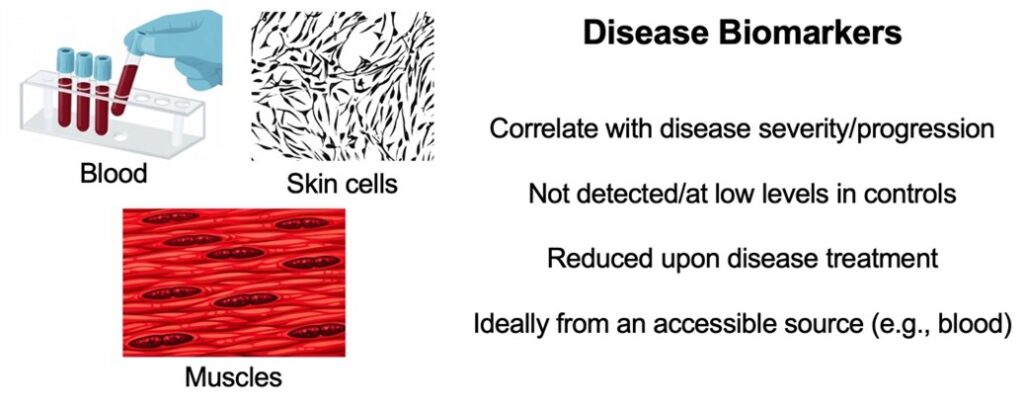
Figure 1. Biomarkers for tracking disease progression and response to treatment.
Reliable biomarkers can therefore also help to determine whether a particular therapy is having the desired effect on a disease, as the levels of the biomarkers should be responsive to successful treatments.
A protein called ‘FCHO1’ as a new potential biomarker for SMA.
Ewout Groen, Assistant Professor at UMC Utrecht (Netherlands), presented some of his latest work identifying a protein called ‘FCHO1’ as a new potential biomarker for SMA.
Dr. Groen took skin samples from people living with SMA, and grew them in culture as cells known as ‘fibroblasts’. He found that SMA fibroblasts possessed lower amounts of FCHO1, and that FCHO1 increased upon treatment of the cells with the SMN-enhancing drug Risdiplam.
The levels of FCHO1 in SMA skin cells predicted how well the cells would respond to treatment, with higher amounts of FCHO1 being linked to greater SMN increase upon application of Risdiplam.
FCHO1 levels were also shown to be decreased in several different tissues and organs of SMA mice. Similar to the SMA skin cells, treatment of the SMA mice with Risdiplam increased FCHO1 availability . The increase appeared to be related to treatment outcome, as the greater the increase in FCHO1, the better the response to Risdiplam.
FCHO1 was also found circulating in the blood of people living with SMA. Upon treatment with SMN-enhancing drugs, FCHO1 levels increased, and the greater the increase, the better the motor improvement.
- FCHO1 is reduced in SMA
- FCHO1 rises after application of SMN-enhancing drugs, and
- Higher rises in FCHO1 are linked to better gains in muscle function.
Together, this suggests that FCHO1 may be a useful biomarker for SMA.
Muscle-specific ‘extracellular vesicles’
Melissa Bowerman, Professor at Keele University (UK), presented her work on another possible biomarker for SMA that comes from muscles.
Muscles release substances in small structures known as ‘extracellular vesicles’ – these are bubble-like packages that contain lots of different fats and proteins. Extracellular vesicles are released from muscles to act as signals to other cells found within the body. The substances in extracellular vesicles provide a good indication of the health status of muscles.
The Bowerman Laboratory extracted muscle-specific extracellular vesicles from the blood and muscles of people living with SMA and studied their protein content.
Compared with unaffected controls, there were many differences in the lipids and proteins in the vesicles affected by SMA. In SMA mice, the extracellular vesicles from muscle were larger, more abundant, and had different proteins and lipids compared to unaffected siblings. Additionally, treatment with SMN-enhancing gene therapy was able to correct some of these changes, suggesting that the muscle vesicles are responsive to treatment.
To treat neuromuscular disease
Linda Greensmith, Professor at University College London (UK), presented exciting work showing the potential for growing new motor neurons to treat neuromuscular disease.
For many years, scientists have attempted to use stem cells to replace the motor neurons lost in diseases of the motor nervous system, including for motor neurone disease (MND) (also known as amyotrophic lateral sclerosis – ALS) and SMA. However, this has proven very difficult, because the transplanted cells do not receive the required signals to fully develop into motor neurons and grow towards their target – the muscles.
To overcome these hurdles, Dr. Barney Bryson working with the Greensmith
Laboratory, has genetically engineered stem cells to enable them to respond to blue light, such that they can be very precisely stimulated.
These stem cells are first differentiated into motor neurons outside of the body in culture, and then injected into mouse nerves, where they then reside (Figure 2A). Prof. Greensmith showed that stimulation of these light-sensitive motor neurons, using a small, implanted device, encouraged growth of the motor neurons towards the target muscles (Figure 2B). Importantly, the motor neurons are able to function and could be activated to cause contraction and movement of muscles.
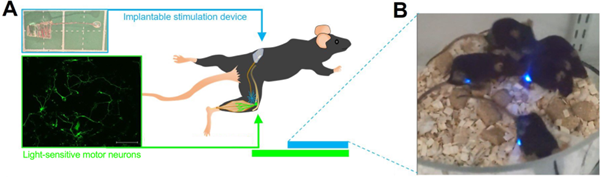
Figure 2. Implanting light-sensitive motor neurons into nerves of mice. Adapted with permission from Bryson et al. (2024) An optogenetic cell therapy to restore control of target muscles in an aggressive mouse model of amyotrophic lateral sclerosis. eLife 12:RP88250.
The stem cell-derived motor neurons were then transplanted into nerves of mice modelling MND (ALS), which results in loss of motor neurons, similar to SMA. Stimulation of the motor neurons resulted in them growing towards and contacting the diseased muscles. Upon a daily light-stimulation regime, it was shown that the engineered motor neurons maintained their connections to muscles and were capable of improving muscle function in disease.
Further Information
https://elifesciences.org/articles/88250
https://pmc.ncbi.nlm.nih.gov/articles/PMC5947756/
To improve function in people living with SMA
Serena Donadio, working with Marco Capogrosso at the University of Pittsburgh, PA (USA) also presented work involving stimulation of motor neurons, but this time as a means to improve function in people living with SMA.
In a recent study published in Nature Medicine, Prof. Capogrosso and colleagues showed that electrical stimulation of motor neurons in the spinal cord of three adults with SMA type 3 was able to improve motor neuron function, resulting in increased strength, endurance and mobility. Impressively, these positive effects were observed for a short period even after the stimulation was turned off.
In a follow-up to this study, which first focused on motor neurons controlling leg movement, Ms. Donadio presented work assessing the impact of spinal cord stimulation on arm function.
Three non-ambulatory adults with SMA type 3 were enrolled and received stimulation on one side of the body. The unstimulated side was used as an untreated control. Similar to findings in the lower limb, the spinal cord stimulation resulted in improvement in strength, motor function and endurance. Importantly, this supported an increase in ability to perform daily life activities, such as buttoning shirts and opening doors.
Further Information
Alaa Alshwayyat, PhD student in the laboratory of Simon Parson at the University of Aberdeen (UK), presented her work on blood vessels in SMA mice.
We have known for many years that motor neurons are the main cell type affected by SMA, but that other cells and tissues can be impacted by the disease, especially when SMN levels are very low.
The Parson Laboratory has previously identified that the structure of capillaries (Figure 3), which are the smallest blood vessels found in the body, is severely affected in muscles and spinal cord of SMA mice and some people with the most severe forms of the condition. In the spinal cord, these blood vessel disruptions may contribute to an unfavourable environment for the motor neurons and thus have the potential to make SMA worse.
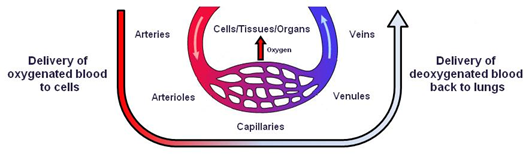
Figure 3. The vasculature system. Oxygenated blood travels away from the lungs, through arteries and then arterioles, until it reaches the capillaries. Capillaries are the smallest blood vessels in the body and they allow the exchange of various useful (e.g. oxygen) and waste products (e.g. carbon dioxide) between blood and cells. Once oxygen has been delivered to the cells, deoxygenated blood can be carried back to the lungs via the heart along venules followed by veins.
In the latest work, Ms. Alshwayyat is studying a mouse model engineered to have low SMN levels only in blood vessels. This mouse allows us to better understand the requirement for SMN protein in this important tissue.
Blood vessels in the eyes were studied in young mice and were shown to have stunted growth and reduced complexity in the SMA model. Blood vessel defects were also observed in the tail.
There are three SMN-dependent drugs approved to treat SMA (Nusinersen, Zolgensma and Risdiplam), but they do not represent cures. Alternative strategies that can be combined with these therapies are therefore required to provide the best possible treatment outcome for people living with SMA. These approaches are often described as being SMN-independent, as they target different proteins and pathways to support the neuromuscular system.
Targeting protein translation
Ilaria Bruno, PhD student in the group of Gabriella Viero at the Institute of Biophysics, Trento (Italy), presented her work identifying a new drug with promise for SMA.
The SMN protein plays an important role in many different cellular processes, one of which is called protein translation. SMN interacts with an important machine in cells called the ribosome. The ribosome produces proteins from genes – the process of translation – and SMN helps with this. When SMN levels are low, production of certain proteins by the ribosome becomes impaired.
Using neurons with low SMN levels, Ms. Bruno performed a small-scale screen of drugs to identify any that can enhance translation of key proteins affected by the reduced availability of SMN (Figure 4). The screen found several different drugs that could increase SMN levels, but only one that could increase protein translation without altering SMN protein production. This compound, which remains undisclosed for patenting purposes, is therefore a potential SMN-independent treatment.
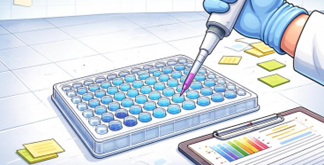
Figure 4. Screening drugs in culture for key characteristics, such as increasing SMN production, can identify promising leads for testing in SMA models. This was how Risdiplam was originally first identified.
ARGX-119 – also known as Adimanebart
Roeland Vanhauwaert, a representative of biotech company Argenx (Belgium), presented another potential SMN-independent treatment for SMA in ARGX-119 (also known as Adimanebart).
ARGX-119 is an antibody that very specifically recognises and activates a protein called MuSK, which is found at the special connection between lower motor neurons and muscles. MuSK helps to keep motor neurons in contact with muscles – so increasing MuSK activity has potential to reduce loss of these important connections. Consistent with this, ARGX-119 has shown promise in models of other neuromuscular diseases and is being tested in several different clinical trials.
Dr. Vanhauwaert presented data looking at the impact of combining ARGX-119 with Risdiplam in SMA mice – work performed in collaboration with Lyndsay Murray at the University of Edinburgh (UK). He reported that the co-administration resulted in improved movement and activity in SMA mice, when compared to Risdiplam alone. Moreover, ARGX-119 caused greater muscle strength per muscle weight, and increased muscle weights.
Further Information
It is clear that the earlier that SMN-enhancing treatments are delivered, the better the therapeutic effect. This has therefore led several groups to evaluate the possibility of treatment before birth.
Pre-natal treatment of SMA mice with Risdiplam
Emma R. Sutton, postdoctoral researcher in the laboratory of Rashmi Kothary at the Ottawa Hospital Research Institute (Canada), provided an update on her research into pre-natal treatment of SMA mice with Risdiplam.
Risdiplam was given to females that were pregnant with litters that contained SMA mice. Treatment was given daily by mouth from early pregnancy to birth, at which point treatment was stopped, in order to be able to assess the impact of embryo exposure to Risdiplam.
Pre-natal treatment was shown to increase SMA mouse pup weight, survival and muscle function. There were no clear increases in SMN in the brain, but more SMN was available in the spinal cord and muscles upon exposure to Risdiplam. Treated mice also displayed increased brain volume, improved muscle health and a small enhancement in the contacts between motor neurons and muscles; however, motor neuron loss was not prevented.
However, caution should be applied, as Dr. Sutton presented preliminary evidence for a small decrease in gestation length and a slight increase in still births upon treatment. Further experiments are required to confirm whether this is a robust finding.
New data about SMA Type 0
Charlotte Sumner, Professor at The Johns Hopkins University School of Medicine in Baltimore, MD (USA), also presented work highlighting the need for early treatment.
The Sumner Laboratory has shown previously that SMN levels are highest during foetal development and that degeneration of motor neurons occurs very early in the most severe cases of SMA. Consistent with this, her work indicates that untreated motor neurons in SMA type 1 do not grow properly.
Prof. Sumner presented new data from SMA type 0 – a very severe form of the condition that is evident before birth. The latest findings indicate that the motor nervous system is more severely affected than in SMA type 1, with the size and health of motor neurons being considerably worse. Additionally, muscles that are usually spared in SMA type 1 showed clear reductions in size.
Moreover, it was reported that the developmental defects in more severe cases of SMA type 1 are often so severe that delivery of SMN-enhancing therapies had little to no impact.
Salanersen
Thomas Crawford, also of The Johns Hopkins University School of Medicine (USA), provided an update on Salanersen, an antisense oligonucleotide similar to Nusinersen that targets the underlying cause of SMA.
Salanersen has been designed to be more effective than Nusinersen. It has the potential to enable treatment of SMA with just a single injection per year, rather than every few months.
Dr. Crawford presented the latest information from the Phase 1B trial of Salanersen, which is being delivered to people who had previously been treated with Zolgensma, but had a suboptimal response to the gene therapy.
For the trial, 24 participants were divided into two groups. Each group received either a 40 mg or 80 mg dose of Salanersen directly into the fluid bathing the brain and spinal cord (i.e., “intrathecally”). This was Part B of the trial. Part A first tested the drug in healthy adult male volunteers and was shown to be safe and well-tolerated.
The latest results come from participants who have received at least two doses of Salanersen in Part B of the trial. The data continue to show that both doses of Salanersen are safe and well-tolerated in people with SMA.
Reductions in the levels of neurofilament protein in blood, which is a key marker of nerve cell death, were observed upon treatment. Furthermore, all 24 participants showed improvement from baseline in one or more endpoints, with half achieving at least one new motor milestone.
Dr. Crawford also presented the new Phase 3 clinical program for Salanersen, which involves three separate trials that are about to begin at sites across the world:
STELLAR-1 is an open-label study to evaluate the effects of Salanersen in young (under 6 weeks old), treatment-naïve and clinically presymptomatic infants with a genetic diagnosis of SMA.
STELLAR-2 is a randomised, double-blind, sham-controlled study that will evaluate the effects of Salanersen when initiated approximately 6 months after Zolgensma in infants with SMA who received presymptomatic treatment at or before 6 weeks of age.
SOLAR is an open-label study designed to assess the effects of Salanersen in teens and older adults (aged 15-60 years) with SMA who were previously treated with Risdiplam or have not yet received treatment.
Further Information
Clinicaltrials.gov: Phase 1 Trial
STEER trial of OAV101 IT
Crystal Proud, Children’s Hospital of The King’s Daughters in Norfolk, VA (USA), presented the latest information from the STEER trial of OAV101 IT – the approach of delivering Zolgensma directly into the fluid bathing the brain and spinal cord (i.e., intrathecal delivery).
The study included treatment-naïve people between the ages of 2 and 17 with SMA type 2, who could sit but had never walked independently. 126 children were randomised to receive OAV101 by intrathecal injection or to receive a sham procedure (n=75 OAV101 IT; n=51 sham). This means one group receives a placebo.
At the end of the 52-week period, 67 of the 75 OAV101 IT-treated patients continued into the second part, while 46 of 51 sham patients entered the second part and received OAV101 IT.
A sham-controlled study is unethical in countries where treatments are available. For this reason, this trial did not operate in the UK or mainland Europe. It was offered in countries where no treatments were available (e.g., Brazil, China, India).
At the 64-week timepoint after delivery of OAV101 IT, motor function continues to improve according to HFMSE and RULM motor scales, and the safety profile remains to be acceptable.
The findings support the continued safety and effectiveness of OAV101 IT, which will now be monitored long-term in the 5-year SPECTRUM study.
Further Information
A big topic at the congress was how standards of care need to change to keep up with these new treatments. There was a special session dedicated to this, along with workshops and posters. SMA Care UK, a collaborative initiative between SMA UK, the University of Newcastle and the SMA REACH clinical networks, played an important role in these discussions. The team shared their work on different areas of care, including:
- Spine (back) care
- Breathing (respiratory) care
- Bone health
- Hip care
- Moving from children’s to adult services
Their work on hip care was chosen for a main talk at the end of the congress, presented by Professor Giovanni Baranello. This showed how important this work is internationally. Other topics were shared as posters, including spine care (Jennie Sheehan), breathing care (Lisa Edel), and transition to adult services (Vanessa Christie-Brown).
Together, this work showed how care should be:
- Personalised for each person
- Based on how someone functions in daily life
- Supported by a team of different specialists
- Focused on what matters most to patients and families
Another interesting session was about nutrition (food and diet) in SMA. This is an area that SMA Care UK plans to update soon.
The workshop showed that nutrition in SMA can be more complicated than it seems.
One key message was that BMI (a common way to measure weight) does not always give the full picture in SMA. People with SMA can have:
- More body fat
- Less muscle (because muscles are weaker)
This means that standard growth charts can sometimes be misleading and may lead to the wrong advice.
Both underweight and overweight can be problems:
- Underweight is more common in people with more severe SMA (Types 1 and 2), often linked to breathing and stomach problems
- Overweight is more common in people who are more mobile, often due to lower levels of physical activity.
New treatments are helping children grow better, and some improvements in height and weight are being seen. However, problems with digestion and nutrition can still continue, so regular support is still very important.
The workshop suggested that good care should include:
- Better ways to measure body composition (not just BMI)
- Regular check-ups with a dietitian
- Spotting stomach and digestion problems early
- Personalised nutrition plans for each person
There was also discussion about new types of diets that might help, but more research is needed.