This SMA Awareness Month, we reflect on the remarkable progress made in spinal muscular atrophy through the eyes of the clinicians who have witnessed it firsthand. From the arrival of life-changing treatments to a growing focus on earlier diagnosis, independence and quality of life, their experiences highlight what is possible when clinical expertise, research, lived experience and advocacy come together and remind us that, while there is much to celebrate, there is still more progress to make.
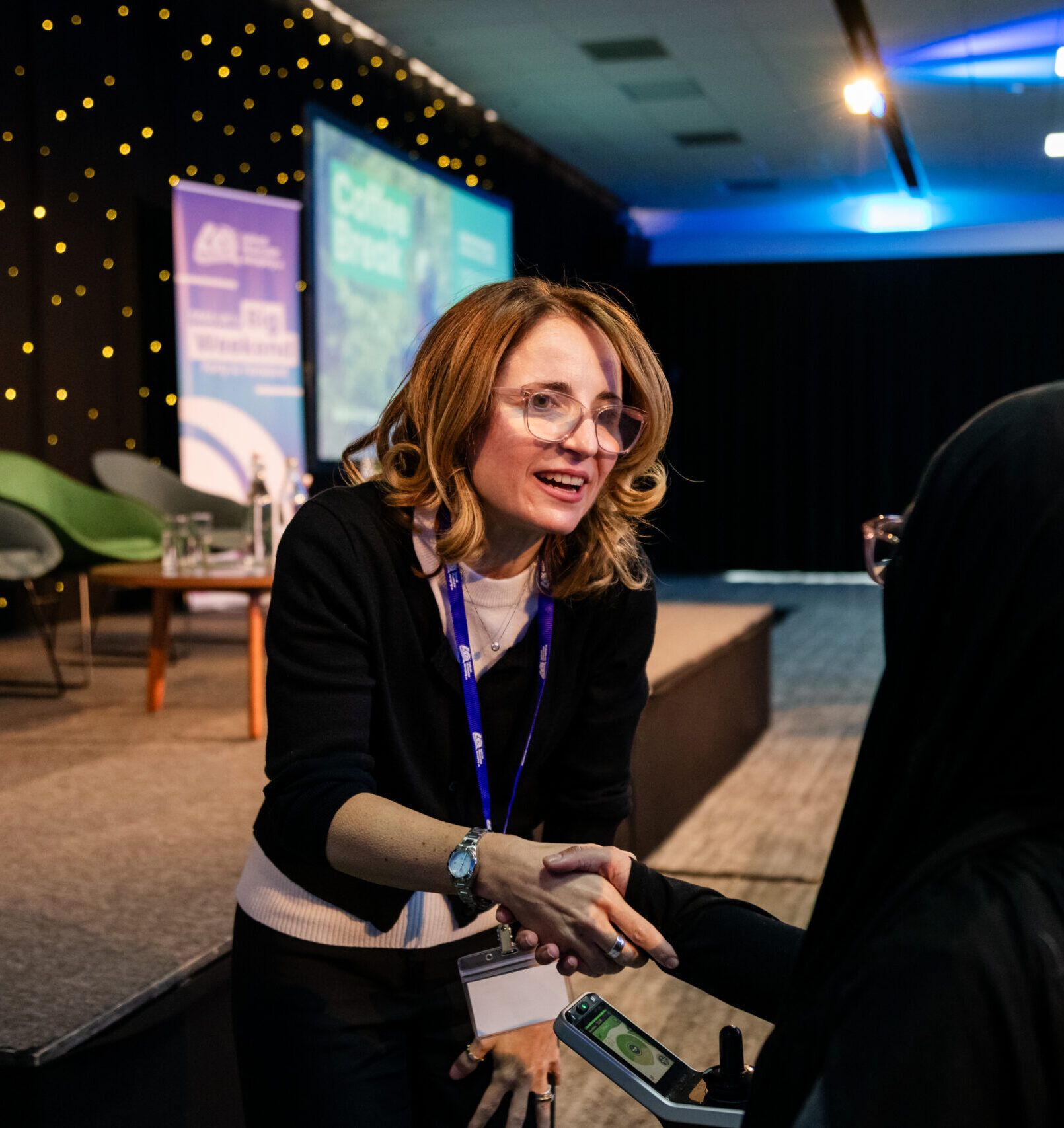 Mariacristina Scotto, Consultant in Neuromuscular Translational Research at Great Ormond Street Hospital for Children NHS Foundation Trust
“I am delighted by the approval of both Nusinersen and Risdiplam fir the treatment of SMA patients after several years of managed access agreement.
Both the real-world data collected via the SMA REACH registry during the managed access period and the patients’ reported experience proved vital in demonstrating long-term clinical and quality-of-life benefits for patients and families. This marks a profound emotional milestone. Families can finally count on secure treatments under the NHS and, as a clinician, I feel very proud of having been part of this achievement”
Watch what Melissa Bowerman, Professor of Neuromuscular & Skeletal Disorders at the Keele University School of Medicine, has to say on the progress made within the SMA Community in the short video below.
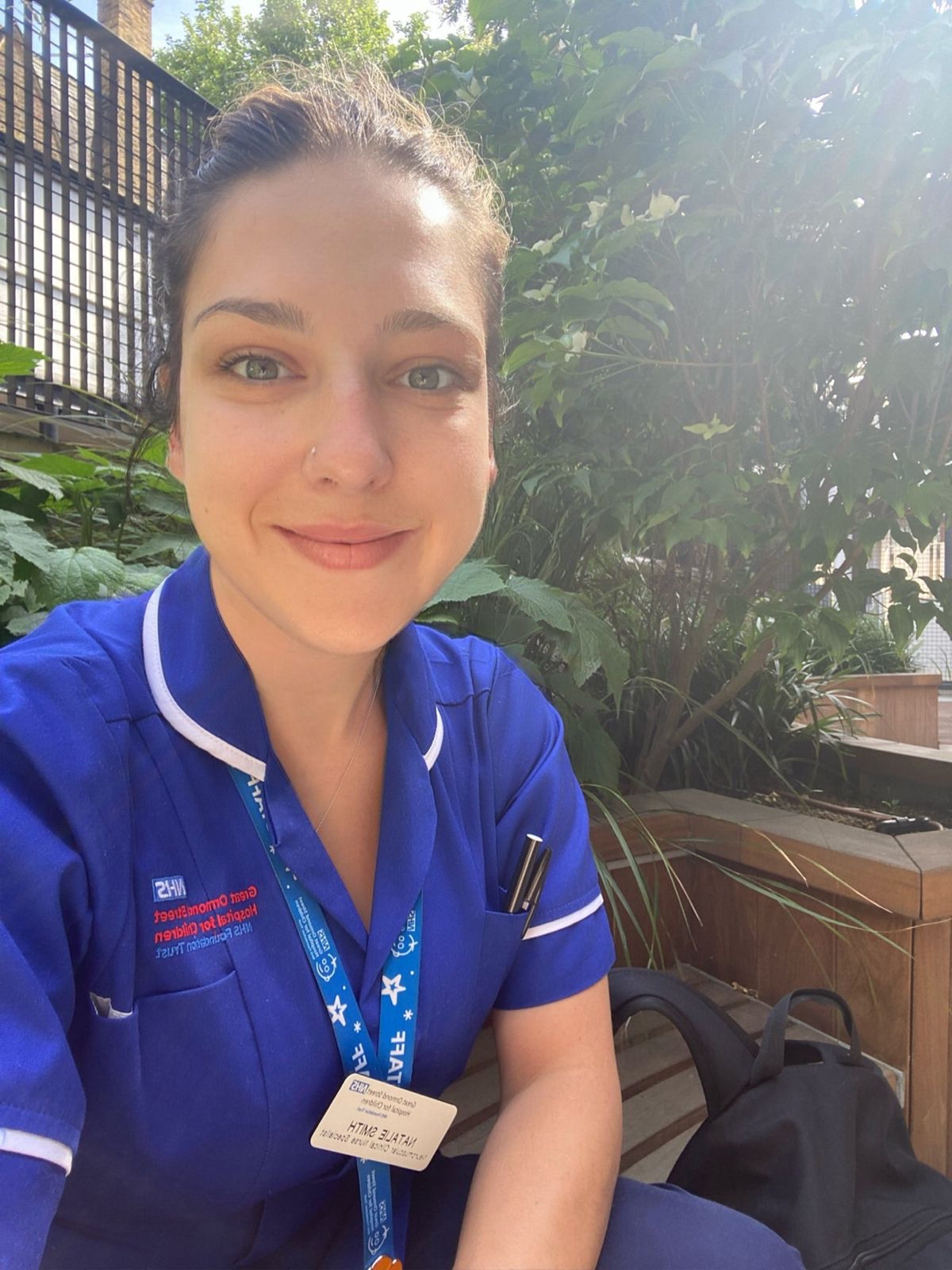 Natalie Smith, Neuromuscular Clinical Nurse Specialist (SMA), Great Ormond Street Hospital for Children NHS Foundation Trust
“When I think about progress in SMA, I don’t think of one treatment, one organisation or one moment – I think of people.
I think of the adults living with SMA who challenged expectations and fought for change long before treatments were available. I think of the families who shared the most personal parts of their lives, sometimes during their most difficult moments because they wanted the future to be better for those who came after them. And, I think of the children and young people who continue to show us that SMA may be part of their story, but it does not define who they are, what they can achieve or the futures they should be able to imagine.
I have had the privilege of working alongside the SMA community as a clinical nurse specialist for eight years. During that time, I have witnessed a transformation that once seemed unimaginable – I have watched the conversations change.
Alongside conversations about diagnosis, care and uncertainty, we are increasingly talking about school, independence, relationships, ambitions and adulthood. We are talking not only about surviving, but about living and about what a meaningful, fulfilling life looks like for each individual person.
That progress belongs to this community.
It belongs to every person who told their story, every family who trusted us, every professional who pushed the boundaries of what was possible, and every researcher, charity and campaigner who refused to accept that things could not be better.
But the significance of this progress reaches beyond SMA. SMA is showing what can happen when lived experience, research, clinical expertise and determined advocacy come together. The journey towards newborn screening in England has taken far too long, and the lessons learned along the way must now be carried forward. Other rare-disease communities should not have to spend the same years fighting to be heard, fighting for earlier diagnosis or waiting for systems to catch up with scientific progress.
Where screening and early intervention can change lives, we have a responsibility to help make that journey faster. Progress should not create a path that every rare-disease community has to rebuild from the beginning. It should leave a path that others can follow. Even within SMA, progress cannot only be measured through treatments, tests or clinical outcomes, it must also be measured through identity, emotional wellbeing, opportunity, belonging and whether children and young people and adults feel heard.
That is why their voices are now at the heart of my research. The next chapter in SMA must not simply be written about people living with SMA, it must be shaped with them.
I am incredibly proud to be one piece of this puzzle, and even prouder to stand alongside such a determined, generous and inspiring community. We should celebrate how far we have come, while recognising that there is still more to do, because if the SMA community has taught me anything, it is this:
When every piece of the puzzle comes together, we don’t simply hope for change, we are the change.”