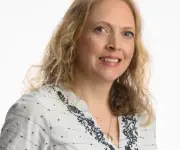
As part of Carers Week, we are celebrating the incredible contribution that carers make every day. Caring can take many forms, from supporting a family member to working as a professional personal assistant, but at its heart it is about helping people live the lives they choose. In this blog, Rosie Murrell shares her experience of supporting Molly, who has Spinal Muscular Atrophy (SMA) and is studying for a Master’s degree at Liverpool University. Rosie reflects on what she has learned from her role, the rewards and challenges of caring, and the importance of listening, understanding and working together.
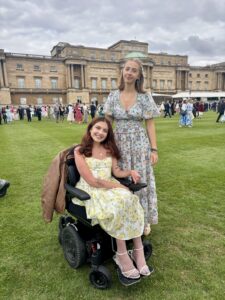 “Hi, I’m Rosie and I support Molly, who has been studying for her Master’s degree at Liverpool University and has Spinal Muscular Atrophy. I have been a personal assistant to Molly for the last 5 months.
What a working day looks like for me changes depending on Molly’s schedule, but the day-to-day support she needs is generally the same. Molly is very independent and will often go out to see friends and attend university on her own and works part-time from home so there is often downtime for me to do things I enjoy. I have a fair amount of time to get on with activities that I would in my own daily life, such as going for walks and to the gym, and I have also completed online courses whilst working.
There are times where caring for someone else can be challenging and living by someone else’s schedule can at times be draining. However, I find being a carer very rewarding and have seen my skills such as empathy, compassion, and resilience grow because of it.
One of the biggest things I have learnt from being a carer is that it is important to not have too many expectations and to have an open mind. Every person is different and will want or need support with different things, and it is important to not let your assumptions get in the way. The best thing you can do is listen to the individual and learn what works for them.
Working with Molly has also made me more aware of the barriers that many disabled people can face in everyday life, and the importance of creating a society that is accessible and inclusive for everyone.
I also think people are often afraid to ask questions about disabilities because they worry about saying the wrong thing. While everyone is different, many people are happy to talk about their condition, how it affects them and, just as importantly, how it doesn’t. Having open conversations has helped me learn so much and has given me a much better understanding of Molly’s experiences.
Like any job, being a live-in carer can be challenging if the relationship isn’t the right fit. However, building a good relationship, understanding each other and learning how to work together has added so much value to what a job can look like for me. Rather than feeling like I simply go to work and come home again, I feel that I am helping someone live the life they want to live while learning a great deal myself.
Most importantly, I genuinely enjoy supporting Molly. Watching someone pursue a Master’s degree, maintain an active social life and achieve their goals while knowing you’ve played a small part in making that possible is incredibly rewarding. Caring has shown me that support isn’t about doing everything for someone; it’s about helping them do the things they want to do for themselves.
Being a carer has shown me how much of a difference the right support can make, and I feel very lucky to be a part of that.”